Building a Sustainable Future in Detroit: Embracing Holistic Wellness

Updated: Apr 8
The Promise of Detroit's Transformation
Detroit has many challenges. From aging infrastructure to environmental hazards like lead paint and urban blight, the city faces significant hurdles. Yet, amidst these challenges lies real potential. By embracing net-zero homes, communal energy hubs, and innovative neighborhood designs, Detroit can become a leader in sustainability. These changes can create safer, healthier, and more resilient communities while adapting to new ways of living and working.
This article explores how Detroit can build a sustainable future. We will focus on renewable energy, upcycling, recycling, and various types of sustainable homes—including affordable options. Additionally, we will discuss removing harmful materials and how community energy hubs, agrihoods, and flexible spaces can support residents’ ever-evolving needs.


The Concept of Net-Zero Homes
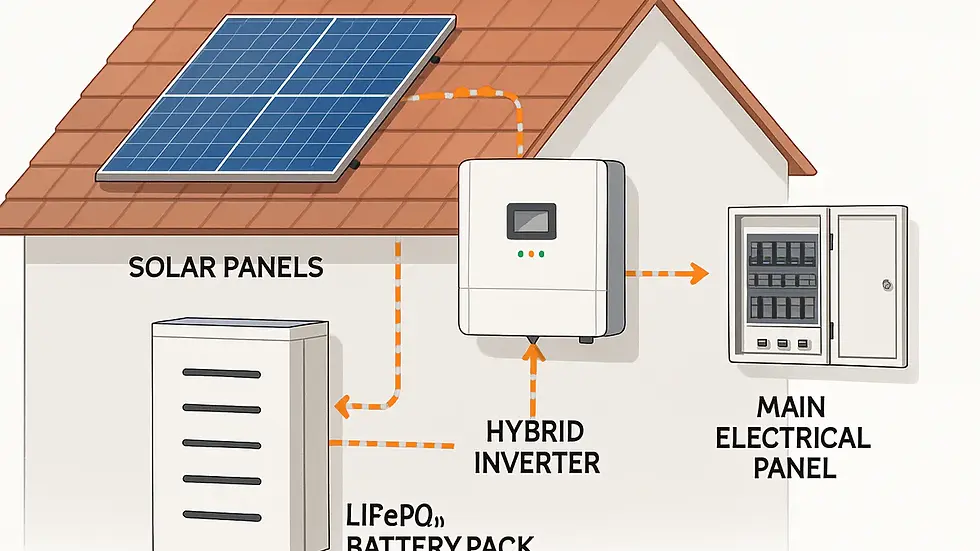
Net-zero homes produce as much energy as they consume. They utilize solar panels, efficient insulation, and intentional design to reduce waste and lower costs over time. In a city like Detroit, where many homes are older, retrofitting existing structures is just as important as building new ones. This means better insulation, updated windows, and systems that work with the climate instead of against it. When done correctly, this doesn’t just reduce energy bills; it improves overall living conditions and makes homes more sustainable long-term.
The Role of Communal Energy Hubs
Beyond individual homes, communal energy hubs and solar farms can take things further. They allow entire blocks to share energy. Instead of every household carrying the full burden, energy becomes something that can be distributed, stored, and sustained at the neighborhood level. This not only reduces costs but also creates jobs and increases resilience during outages. With the amount of vacant land and unused space in Detroit, there is a real opportunity to build systems like this directly into the community.
Agrihoods: A New Approach to Urban Agriculture
Agrihoods and green spaces add another layer to this vision. Detroit already has a strong history of urban agriculture, but taking it further means being intentional about how these spaces are designed and used. Access to fresh food, education, and shared green space improves both physical and mental health while strengthening community connections. These spaces can manage stormwater, reduce heat, and turn empty land into something productive and valuable.

Adapting to New Ways of Living
As work and school continue to shift, neighborhoods must adapt as well. People need spaces that support remote work, learning, and day-to-day life without feeling confined. This can look like dedicated work areas in homes, access to reliable internet powered by renewable energy, and community spaces where people can gather, learn, and collaborate without having to leave their neighborhood.
The Importance of Sustainable Practices
At the same time, focusing on renewable energy, upcycling, and safe recycling is critical. Reducing waste, reusing materials, and safely removing hazards like lead paint protects both the environment and the people living in it. These efforts also create new opportunities for local businesses and workers, turning sustainability into something that benefits the economy as well as the environment.
All of these ideas—net-zero homes, energy hubs, agrihoods, and sustainable systems—are not meant to exist separately. They work best when connected and built into the structure of a community from the ground up. While this can be discussed on a large scale, it becomes real when applied to a specific place.


Brightmoor: A Case Study in Transformation
A neighborhood like Brightmoor is a clear example of where this kind of work can begin. Not as the focus of the entire conversation, but as a real-life application of everything discussed. Brightmoor has dealt with blight, abandoned homes, and disinvestment for years. However, those same conditions also create space for something different to be built.
Using a before-and-after approach, what exists now—vacant lots, neglected structures, and unsafe conditions—can be transformed into something intentional. Homes can be restored or rebuilt with solar panels and rainwater systems. Empty land can be turned into organized garden beds with fencing, shared greenhouses, and hoop houses that support consistent food production.
Creating Functional Agrihoods
This introduces agrihood-style living in a way that is actually functional. Residents are not just living in a space but sustaining it. Blight removal also becomes an opportunity instead of just a cleanup effort. Materials from non-salvageable homes can be reused for fencing and building. Residents can be involved in deconstruction, solar installation, landscaping, and urban agriculture. This keeps resources and income circulating within the community.
Enhancing Safety and Quality of Life
At the same time, improving the physical environment enhances safety and quality of life. Adding street lighting, walking paths, parks, and recreational spaces helps create neighborhoods where people feel comfortable being outside and connected. When all of these elements come together, the ideas in this article stop being concepts and start becoming something that can actually be lived.
The ultimate goal is to revitalize a Detroit that serves its residents in a healthy, sustainable way. This involves focusing on environmental health, safety, and addressing all of their hierarchy of needs.
In this journey, we can embrace the idea that holistic wellness is not just a personal endeavor but a community effort. By integrating sustainable practices into our daily lives, we can foster personal growth and nurture healthier relationships.
Let’s take the steps together to build a brighter, more sustainable future for Detroit.


Comments